
Interior Door Repair in Toronto: When a Door Closes but Will Not Stay Latched
Only have 30 seconds?
- Start with the RepairsFor.homes homeowner guide for related house repair topics.
- Note whether the door reaches the frame, clicks and stays shut.
- Ask the repairer to check the door and frame before quoting a handle replacement.
- Test the finished door from both sides before signing off.
Describe the failure as a sequence
“The door won’t close” can describe a door that rubs halfway through its swing, one that reaches the frame and bounces back, or one that appears closed but opens when lightly pushed. Those situations give the repairer different starting points. Describe what you see from the first movement of the handle until you let go of it. There is no need to slam the door or force hardware that has started to bind.
Notice whether you usually have to pull the door toward you, press it toward the frame or lift the handle slightly before it stays shut. Tell the repairer if the symptom changes depending on which side you stand on. If you heard a click, say whether the door stayed closed after the click. Those ordinary observations can help someone understand the symptom before seeing the door in person.
Give the room a clear name and say whether it is the only door with the problem. “The upstairs hall linen closet beside the bathroom” identifies the job more precisely than “the white door.” If you can take a photo from a normal standing position, send a whole-door view and a view of the latch side. The repairer can ask for another angle if the photos fail to show what they need. Explain which way the door opens if that is unclear from the pictures.
Understand what the latch is supposed to do
On an ordinary hinged room door, the latch is the moving piece at the edge of the door. The strike plate is the piece on the frame with an opening that accepts the latch. When the parts meet properly, the latch sits in the opening and the door stays shut. Operating the handle withdraws the latch so the door can open. A door can swing freely and still fail to engage that opening.
Ask the repairer to show how those parts meet on your door. The latch may be reaching the plate at the wrong height or position. The issue might also involve how the handle and latch move when operated. The technician can inspect hinges, frame, handle and strike together and explain what they observed. The site’s door latch alignment guide gives you background for that discussion.
If the door has a privacy lock, include that in the description. A lock and a latch do different jobs. A door may stay shut but have a lock that fails, or the latch may fail to hold even when someone operates the lock. Ask the repairer to state which function they intend to restore. If a door serves a special purpose or is marked as rated, identify it when booking so the provider can decide whether it is within their scope.
Explain what changed before the problem appeared
Think about recent work around the door. The frame may have been painted, a handle may have been changed or someone may have removed the door to move furniture. Share the timing if you know it. Tell the repairer if the door has behaved this way since you moved in or if it started abruptly. If it only happens some days, describe the pattern and whether other doors have shown changes at the same time.
Keep old paperwork if there has been a repair. A receipt for a replacement handle may identify the hardware and tell the repairer what was previously addressed. A photo from earlier work may show how the latch and strike looked then. This can be useful when the latest symptom seems similar but has a different cause. Send whichever information you have without trying to recreate the conditions.
If someone else in the household uses the door differently, ask them what they notice. A person standing inside a room may be able to close the door normally while someone in the hall regularly needs a second attempt. Have both describe their experience without changing the door for a demonstration. The repairer can compare it during the visit. Consistency matters particularly if the door is used many times a day and the household wants a repair everyone can operate comfortably.
Ask for the location of the problem before accepting the scope
Ask the repairer to explain what they see when the door reaches the frame. If they propose an alignment adjustment, ask which parts they expect to adjust and why. If they propose changing the handle, ask them to show what is wrong with the existing hardware and to confirm that the replacement fits the door and works with the frame. An older door can still have hardware worth retaining if the rest of the assembly allows it.
A different example is a door that closes easily until the very last part of the swing. The repairer may have to determine whether the door is making contact elsewhere before the latch reaches the correct position. In that case, replacing the latch alone could leave the original symptom in place. Ask what inspection finding supports the proposed work. The rubbing interior door guide describes how to give a location for rubbing if that is also part of the problem.
If the repairer recommends more than one step, ask which step is necessary and how they will test the result before moving to the next one. A quote may allow for inspection and a straightforward adjustment, with a separate decision if replacement hardware is needed. Get any extra charge and what it covers in writing. If the handle finish matters, specify it before ordering. The replacement may also need to match how the rest of the doors operate, especially if one household member relies on a particular handle style.
Specify what a finished job should look like
Agree on a simple test during the quote. The door should be able to reach its usual closed position and stay there when you let it go. Ask the repairer to operate the handle from both sides so you can see the door open again. Confirm that normal operation feels comfortable for the people who use it. If someone prefers a gentle motion or has difficulty gripping a knob, say so before the provider recommends a replacement.
Discuss what will be visible afterward. Moving or changing a piece of hardware may leave the outline of an older plate or a small area of exposed finish. Ask whether the quote covers any ordinary cosmetic work and whether drying time affects use. If a separate finish repair is needed, get that distinction into the work order. It is easier to plan it before the repairer arrives than to settle it while the door is partly apart.
If several doors need attention, prioritize the one that affects everyday use most. Ask for the findings and labour scope to be recorded against each door instead of one general “doors adjusted” line. One door may need a small adjustment while another may require a different part. Individual descriptions help you decide which tasks to authorize and help everyone verify the finished work later.
Plan the east Toronto visit
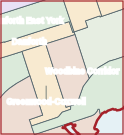
Use the map above for orientation around Greenwood–Coxwell and the Danforth. If the house is near Coxwell Avenue and Danforth Avenue, give the full address and postal code along with the entrance you expect the repairer to use. A side door can be easier for carrying tools while the person meeting the repairer may normally use the front porch. Clarify which one is intended and who will open it.
- Parking and unloading. Give the provider a legal place to unload or an available driveway and say whether they will need to carry tools through a gate.
- Transit and walking. If meeting someone coming from Coxwell Station, share the actual entrance and nearest cross street as well as the street number.
- Accessible route. Identify steps, narrow approaches and any step-free entrance. Explain how to reach the floor where the door is located.
- Access during the visit. Leave space on both sides of the door and tell the repairer whether the room needs to stay available to someone during the work.
Arrange for the person who normally encounters the problem to be there if possible. If they are away, ask them to leave a short description of how the door normally behaves. Decide in advance who will accept a quote or approve a replacement part. An arrival contact can explain the symptom without necessarily being the person authorized to make those decisions.
Keep the work order useful after the appointment
Ask the repairer to name any replacement part on the finished work order and identify the door where it was used. If you have several similar handles, that detail will help you distinguish this repair from later jobs. Ask whether the invoice also records the original symptom and the test performed. A note that the latch was tested from both sides tells you more than a line that says the hardware was serviced.
If the repairer suggests watching the door over ordinary use, agree what a return of the problem would look like. A new scrape, a latch that retracts slowly and a door that opens when released describe different observations. Report which symptom returned and when rather than assuming a particular part failed. If someone else books the follow-up, share the invoice and room name so the provider can match the call to the original visit.
Test it together before the visit ends
Have the repairer show the closed position and operate the handle while you are there. Then try the door yourself in your usual way. Let the latch seat, release your grip and check that the door remains shut without needing extra pressure. Open it using the handle from both sides. If the door includes an agreed privacy function, ask the repairer to demonstrate that separately while everyone has access to the room.
If something still feels wrong, describe the point in the motion where it occurs. For instance, the door may now stay shut but take more pressure than you expected to open. The repairer can compare that with the agreed scope while they still have their tools. Ask what they can adjust during the visit and whether a remaining issue needs a different assessment. Save any instructions or part details with the invoice.
For interior door repair in Toronto, the useful outcome is a door that latches and opens in ordinary use, with a clear record of the work that made it possible. Start with a description of the actual failure, ask what the repairer found and finish with a test from both sides. That gives the household something concrete to check if the problem returns.