
How to Plan Small Repairs Before Selling a Toronto House
Only have 30 seconds?
- Write down what happens, where it happens and what a completed job would look like.
- Ask for separate quotes or assessments when the cause remains unclear.
- Give the contractor a practical finish date and keep their written scope.
- Start with the Repairs for Homes guide to identify the kind of work each item may need.
Work backward from the next date you cannot move
A seller may have a photographer booked on Thursday, a family using the house through the weekend and a contractor available on Tuesday. Those commitments have to fit around the work. Start with the earliest date on which a room needs to be usable and give the contractor that date when you ask about scheduling. A quick visit and a finished room are different points in the schedule. Ask whether the work will require a return visit or time before the room can be used normally.
Put each proposed job beside a date and a reason. You may want a bedroom door to latch before the first showing. An old mark on a wall may simply need a record of when it appeared and an assessment if there are signs of a continuing issue. If the hall has a baseboard that was removed during an earlier flooring project, you can ask for an estimate to finish that section. If the timing is tight, decide which items need action now and which ones can be documented for a later discussion with your real estate representative.
Include the person who can make decisions on the day. If the house is occupied by more than one owner or another household member handles access, decide who will confirm the scope and who can answer the contractor’s questions. If the person who arranged the job will be away, have them leave the written scope and the best way to reach them. A contractor who finds an unexpected condition should know whom to contact before changing the work.
Separate a working problem from a cosmetic preference
Describe an item through what you observe. For a door, write whether it closes, whether it latches and whether the issue affects ordinary use. For a piece of trim, say whether it is simply scuffed or has pulled away from the wall. If you want a paint touch-up, point to the area and say whether blending into the surrounding wall matters. The contractor can then tell you which outcomes are realistic within the time and materials available.
A good list can contain two jobs in the same room that need different decisions. A missing closet handle might need a matching part. A similar-looking crack near the door might deserve a separate assessment if it has reopened several times. Give the person quoting the work both observations and let them explain what can be settled during the proposed visit. If the cause is still uncertain, keep that item open. You can continue scheduling the clearly defined work while someone checks the other issue.
Use a simple priority system with one sentence beside each item. “Latch needs to close in normal use before showings” identifies a functional result. “Small paint mark, optional if the matching finish is available” gives the contractor a clear limit. “Ceiling stain appeared after an old leak, condition still to be assessed” asks for a separate evaluation. The home repair planning guide helps turn a room-by-room walk-through into jobs that can be discussed and priced.
Give each repair a scope you can check in person
For a short list, take one wide photo for each room and a close photo for each item. Identify where the photo was taken. If you have several similar doors, use room names or numbered notes so the person reviewing the pictures can confirm the right door. Bring spare trim, handles or paint information to the estimate if you have them. Ask which materials the worker expects to supply and which ones they want to see before confirming the price.
Agree on an ordinary check for each repair. If the job is adjusting a bedroom latch, open and close the door in normal use with the worker present so you can both see the result. If the job is putting a small section of trim back, agree where it should start and stop and whether the quote includes finishing nail holes or painting. If the repair is partly cosmetic, ask what differences in finish may remain. The check should match the work you approved and the room conditions that actually exist.
Ask the contractor to distinguish confirmed work from options they may recommend after seeing the item. A quote might include adjustment and list replacement hardware as an option if the existing part has worn out. Agree on how they will contact you if that option comes up and how the cost or date would change. Written changes are easier to review after the visit, especially if someone else will open the home for the worker. A clear scope also makes it easier to explain what the repair involved if someone asks later.
Keep inspection questions open until someone can answer them
An inspection can help you understand visible conditions, including which areas can be examined and what might need further assessment. If you already have a report, point the contractor or specialist to the specific observation you want addressed. The report may name a room, describe a symptom or state an access limitation. Ask which parts of the report relate to the proposed task and where the contractor would need another opinion. Keep the inspector’s observation with any later estimate.
If a stain has changed since the report, note when you saw the change and what was happening at the time. Give the date and a photo to the person examining it. Ask them to explain which work, if any, is appropriate now and what should wait until the condition is understood. Avoid bundling cosmetic paint work over the area into a general touch-up visit while the relevant assessment is pending. You can make progress on other rooms and set a separate decision date for the unresolved item.
For questions about what to tell a buyer or how an outstanding item affects the sale, speak to the real estate representative or legal professional handling your transaction. Send them the underlying report and the contractor’s description so they can see the facts behind the question. A short, dated record can keep everyone working from the same information, even when an assessment and a repair take place on different visits.
Arrange access near Coxwell and Danforth
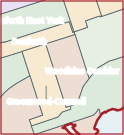
The map above shows Greenwood–Coxwell and the Danforth area. Coxwell Station is near Coxwell Avenue and Strathmore Boulevard, a block north of Danforth Avenue. Give the worker the actual property address and the preferred entrance. If you have a side door, give its location and say whether a shared driveway or gate should be kept clear. Where the booking depends on a tenant, agent or family member opening the door, confirm the person and the time before sending the arrival details.
- Transit and cycling. Use Coxwell Station as a public reference point. Give the actual cross street for the house and identify any bicycle storage the household can provide.
- Parking and unloading. Ask how much equipment the worker expects to bring. Say whether they can unload in the driveway and where they should look for lawful parking if they need to stay.
- Accessibility. Describe exterior steps, narrow passages or a side entrance. Give an alternate step-free approach if available. Tell the worker which floors they need to reach.
For an occupied house, coordinate the repair with anyone living or working there. Give the worker a contact for the specific day and tell them whether they should call ahead before knocking. If someone wants an area to remain quiet during a call or needs a clear passage between rooms, work that into the plan before the appointment. Leave enough time for the contractor to leave the area usable before people return.
Keep a short record of what was finished
Use the original list to review the visit. Mark which items were completed, which were deferred and whether any part still needs attention. Ask for a receipt or final invoice that identifies the jobs actually done. If the quote changed, keep the written update with the invoice and retain any warranty or care information the worker provides. Save the pictures with short labels so you know which room and which item they relate to.
An effective record can be simple. You might write, “Upstairs hall door latch adjusted November 16. Door closes and latches in normal use. Invoice saved.” Another entry might say, “Rear room wall mark photographed, assessment booked, no surface work in that area yet.” Each entry gives you a dated account without adding conclusions you cannot support. Use the repair completion checklist to confirm details while the contractor is still available.
If the work involved a colour match or a spare part, keep the product name or a photo of the label. Store any leftover parts separately with a room note. Where the original job required a second visit, write down who will return and what they expect to finish. Update the record only when the new work occurs. A record with clear dates is more useful than trying to remember the sequence from a collection of receipts.
Send a request with a finish date and a short list
“I’m preparing a house near Coxwell and Danforth for listing photos next Thursday. I’d like a quote for an upstairs door that doesn’t latch and a short section of loose hall trim. Please tell me whether you expect to adjust or replace any parts, what finishing is included and when each room would be usable. I have one separate wall mark we are having assessed. It is outside the work for this visit. Please confirm the arrival time and whether you need driveway access.”
Make that request fit your own house. If you have only one job, give the room and the expected result first. If the deadline is close, ask the worker which item they can finish within the available time and reserve space for a final check. When the scope, timing and record all refer to the same jobs, you can answer questions about the work without guessing what happened during the visit.