
At a Glance
A useful repair scope identifies the item, problem, proposed work, materials and expected finish. Confirm the price, exclusions and approval process for changes before the visit. Keep photos and the written agreement together for the final review.
What to Confirm in a Written Repair Scope Before Work Starts
Only have 30 seconds?
- Name each repair and the result you expect.
- Ask what materials and finishing work are included.
- Confirm how extra work will be documented and approved.
- Use the Repairs for Homes guide to prepare your enquiry.
Describe the item and the problem
“Fix the door” can mean adjusting its movement, replacing a hinge or repairing a damaged finish. Say what the door does and what you want improved. Ask the provider to describe the proposed work rather than assuming the cause.
For several repairs, list each one separately. Include a wide photo and a close-up where helpful. Do not dismantle an item or expose hidden components just to obtain more detail.
Agree on the expected finish
A repair may leave a surface ready for painting without including the painting itself. Ask whether preparation, filling, sanding, priming and finishing are included as appropriate to the task. Clarify how colour or material matching will be handled.
If an exact match cannot be promised, discuss the alternative before work begins. A written description is more useful than discovering different expectations at the final walkthrough.
Confirm parts and materials
Ask who purchases parts, who confirms compatibility and how material costs are approved. If you supply an item, send its details before the appointment. Keep the packaging and instructions available.
Ask what happens if the intended part is unavailable or the existing item cannot accept it. The provider may need to assess before confirming a final solution.
Separate included work from exclusions
Identify tasks outside the quote, such as moving heavy furniture, disposal, painting or work by a separate trade. Ask the provider to flag anything beyond their scope rather than expanding an ordinary repair booking informally.
The itemized repair estimate guide helps you compare the task list with the charges. Confirm whether pricing is fixed or hourly, any minimum visit and applicable taxes.
Agree on changes before they happen
Ask how hidden damage or a different underlying problem will be documented. Agree that revised work and charges will be discussed before proceeding. Identify the person who can make that decision during the visit.
Keep any approved change with the original scope. A photo and short explanation can make the decision easier to review without relying on a hurried conversation.
Where: your Toronto house or condo
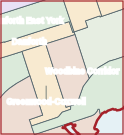
The map provides Toronto neighbourhood orientation. Send the complete address, unit and postal code. An older house, freehold townhouse or condo can have different materials, ownership boundaries and access arrangements. Confirm permissions before work on shared or managed components.
- Work area: Explain stairs, narrow passages and the route to the item.
- Parking: Confirm legal parking, loading and charges.
- Building access: Arrange concierge registration, elevators or permitted work windows where required.
- Accessibility: Identify entrances and routes that must remain usable.
Use the scope for the final review
Review each agreed item at completion and ask about any remaining steps or care instructions. Keep the invoice, photos and follow-up contact details. If a task is incomplete, ask how and when it will be addressed.
A useful enquiry is: “Please quote [repair list] at [address], identifying the proposed work, materials, finish, exclusions, full charges and approval process for changes.” That creates a clear starting point for both the visit and the review.